

It sounds logical.
You have a 2.5-tonne forklift.
You pick up a 2.5-tonne load.
All good, right?
It’s that simple maths that has so many operators snookered. The rating plate appears to be clear, but it’s not the whole story.
Wrong.
It’s also one of the most common − and perilous − misconceptions surrounding material handling. That one tiny assumption about capacity can suddenly precipitate into a stability problem.
It has to do as well with an effect known as the “load centre.”
Think of a Fishing Rod
Think about grabbing a tiny dumbbell close to your chest. Easy.
Now raise the same weight directly overhead to arm’s length.
Feels heavier, doesn’t it?
Your forklift also operates the same way.
The load becomes heavier the more it is moved out from the mast. The forklift isn’t just serving as a weight lifter. It’s fighting leverage.
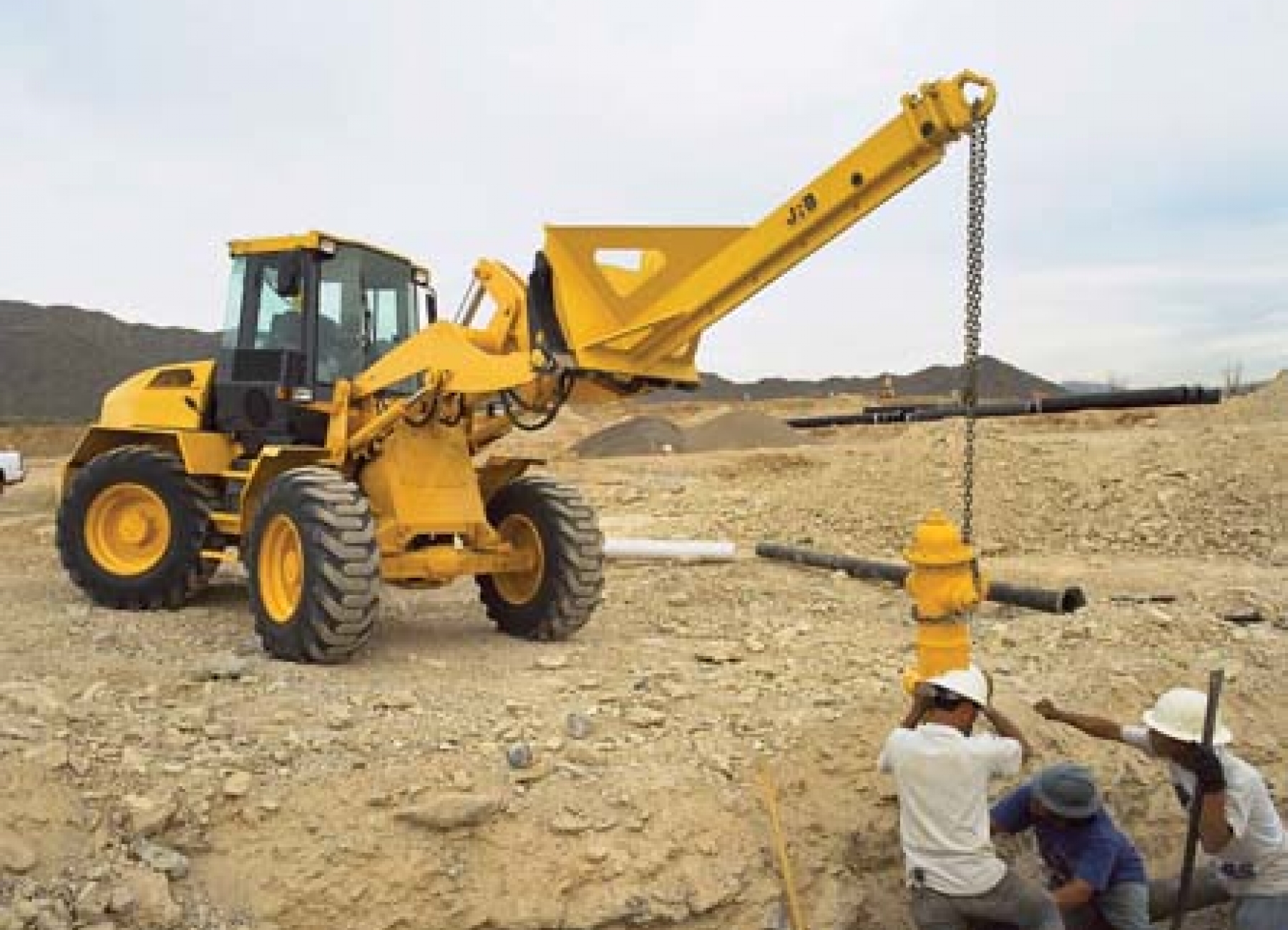
Jib attachment goes farther out with the load. And that shift takes a huge bite out of how much you can safely lift.
What is a Load Centre?
Each forklift has a weight at load centre it is rated to lift.
That is, your 2.5-ton forklift may be classified as being rated to a finite distance such as 500mm.
That’s important − it means it can lift 2.5 tonnes with a load centre of gravity of 500mm from the face of the forks.
But put a jib attachment with more sail area and that load could be sitting 1,000mm or beyond of the hull.
Double the distance.
Much less lifting capacity.
It’s simple physics.
The Lever Effect
Raise the load centre, & the further away you reach on it against a forklift’s front axle.
Picture the forklift as a seesaw.
The load suspends down on one half side. The counterweight balances it.
When you reach further away with the load, it’s as if you made the seesaw plank longer. The counterweight does not change − but the pulling force increases.
This is precisely the scenario that occurs when a jib takes place on a crane without recalculating capacity.
The forklift may be certified to carry 1.2 or 1.5 tonnes at that distance even if the load is only 2.5 tonnes itself.
Forklift Extensions Make It Worse
It’s also an issue that comes along when you are working with forklift extensions.
Extensions move the load away from the original tip of the forks. That raises the load centre further.
Operators often assume:
“The forklift can lift 2.5 tons, so we’re good.”
But once you add fork extensions, the actual safe lifting capacity goes down.
Leaving the modified rating unchecked puts you in danger of:
- Tipping forward
- Losing steering control
- Damaging the mast
- Causing serious injury
Why This is a Common Safety Mistake?
This misconception takes place as your forklift’s capacity plate displays a single large number.
2.5 tonnes sound simple.
But that figure is only true under certain circumstances.
Once you tack on a jib attachment, or even forklift extensions, that becomes an entirely different equation.
The forklift’s stability shifts. The CG travels forward.
Finally, the rated capacity diminishes − and often dramatically.
How to Stay Safe?
Before lifting with any attachment:
- Check the load centre distance
- Check the forklift’s new capacity plate
- Confirm the attachment’s weight
- Consult manufacturer guidelines
Remember, attachments have weight too. One of those is a heavy jib attachment that eats up your available lifting capacity before you even lift the load.
The Simple Rule to Remember
The further away you get, the less you can pick up.
Like when you’re holding that fishing rod.
This has nothing to do with the sticker on the side of the forklift. It’s about physics.
Understanding load centres isn’t complicated. But turning your back is costly − and dangerous.
Because a 2.5-tonne forklift doesn’t necessarily mean it can lift 2.5 tonne.
Particularly when you throw the weight forward.
