

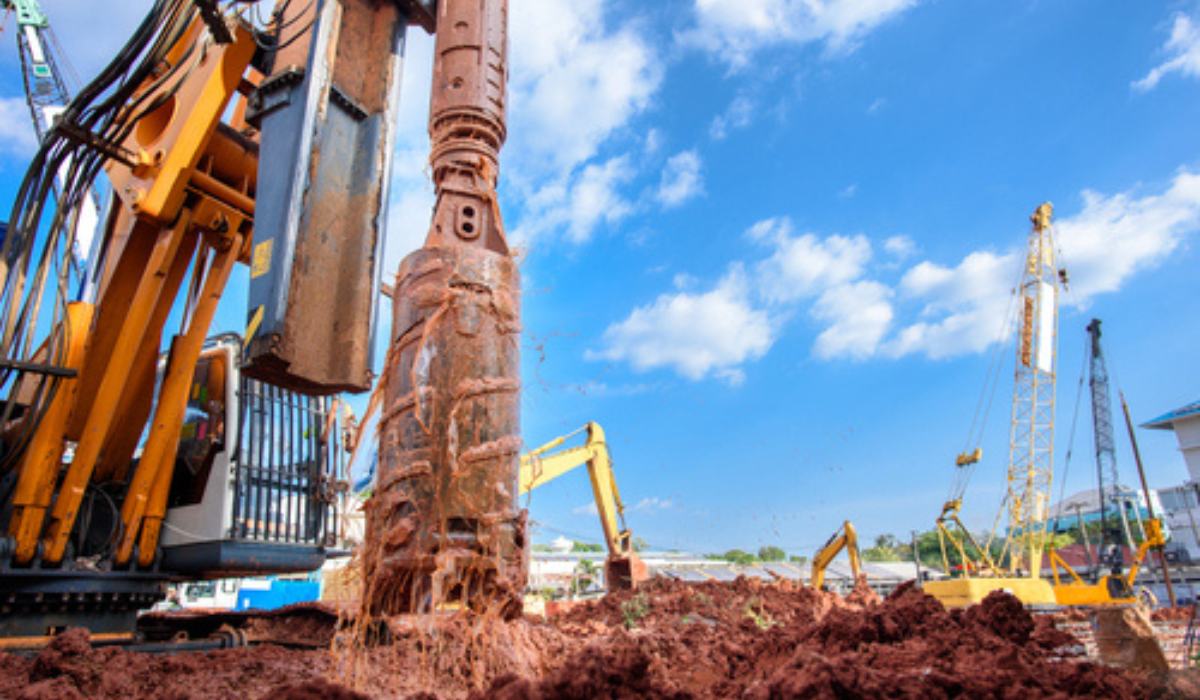
Quiet progress often begins below the surface where careful planning matters most. Modern build activity demands restraint, control, and foresight. Surface disruption causes long-lasting harm when ignored. Teams now seek controlled subsurface pathways that respect soil balance. Early planning often involves directional drilling darwin to guide alignment accuracy. The discussion ahead connects method choice soil care, resource protection, monitoring discipline, future readiness, and balance.
Controlled subsurface pathways limiting surface strain
Subsurface planning lowers disturbance across active zones. Careful path creation protects nearby ground layers.
- Narrow entry points reduce surface stress during underground pathway formation
- Guided depth control preserves natural soil layers throughout progress
- Reduced vibration protects surrounding structures from unwanted movement
- Accurate alignment prevents repeated passes through sensitive ground
Measured subsurface control preserves surrounding areas throughout progress.
Soil stability supporting long-term ground health
Stable soil remains intact during underground tasks. Balanced pressure avoids collapse. Controlled motion protects natural layers. Healthy ground supports future use safely.
Equipment calibration, shaping, and responsible excavation.
Well-tuned machines cut only the needed material. Proper setup limits waste. Controlled force reduces energy demand. Efficient motion protects nearby zones.
Material displacement is kept within planned limits.
Managed spoil handling reduces spread. Contained removal protects nearby terrain. Planned extraction avoids overflow. Orderly handling supports clean sites.
Guided pathways supporting reduced disruption
Careful steering maintains intended routes. Clear mapping avoids deviation.
- Pre-mapped routes minimize unexpected contact with sensitive underground layers
- Real-time guidance ensures steady alignment throughout the operation phases
- Consistent depth monitoring prevents accidental surface breakthrough events
- Smooth rotation reduces friction within surrounding soil structures
- Controlled speed lowers heat buildup during extended drilling periods
- Balanced pressure maintains the integrity of nearby natural formations
- Continuous feedback supports immediate adjustment when resistance changes
- Skilled oversight ensures adherence to approved underground plans
Guided execution keeps the surrounding areas protected throughout operations.
Monitoring practices shaping accountable progress
Active tracking prevents unseen issues. Sensors reveal early warnings. Adjustments occur promptly. Accountability remains visible.
Resource efficiency through measured movement
Targeted excavation limits excess removal. Less spoil means lower transport demand. Energy use drops steadily. Resource care supports sustainability.
Environmental balance through informed direction
Responsible planning values ground harmony. Professionals reference directional drilling darwin during sensitive route selection. Thoughtful direction preserves soil life. Balanced decisions support future land use.
Risk awareness supporting safer outcomes
Understanding underground conditions lowers hazards. Surveys inform decisions. Awareness guides careful handling. Safety improves through knowledge.
Future readiness through careful groundwork
Prepared subsurface routes allow later upgrades. Minimal disruption aids expansion. Forward planning protects long-term value. Responsible groundwork supports continuity.
Frequently asked questions
- Why is subsurface control important? It limits surface damage risks.
- How does guidance reduce harm? It keeps routes accurate.
- What supports soil protection? Balanced pressure management.
- Can monitoring improve outcomes? Yes, early alerts prevent issues.
Sustained care through smart methods
Responsible underground work protects shared spaces. Thoughtful planning respects natural layers. Measured movement lowers lasting harm. Skilled guidance builds trust. Smart groundwork supports growth without sacrifice.
