

Key Takeaways
- Continuous monitoring helps detect water quality changes before filtration performance drops.
- High-demand facilities rely on monitoring to maintain stable water output during peak usage.
- Environmental and supply changes make monitoring essential for consistent filtration control.
- Compliance inspections depend on recorded monitoring data to verify water safety standards.
Introduction
Water conditions can shift without visible warning inside pipes, storage tanks, and treatment systems. Continuous monitoring helps teams track water quality changes during daily operations, which supports safe water supply and consistent filtration performance. Facilities that operate a 3M water filter in Singapore use monitoring practices to check filtration output as incoming water conditions change.
When Industrial Production Requires Stable Water Quality
Manufacturing Processes With Strict Water Standards
Production lines depend on water that meets specific purity levels. Variations in chemical content or sediment concentration can affect machinery performance and product consistency. Monitoring systems help operators identify contamination risks early, before production schedules are affected.
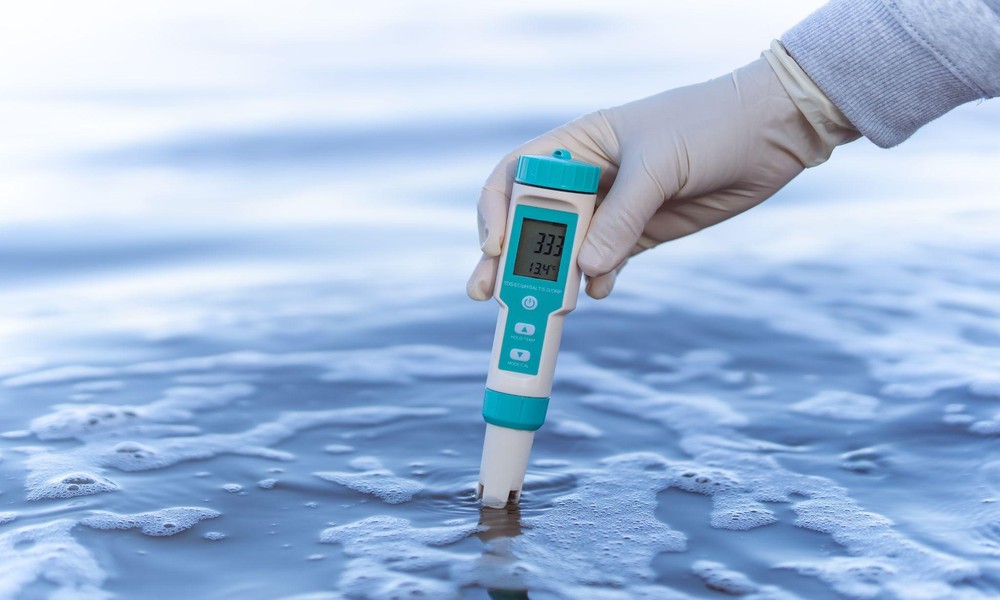
Chemical balance, turbidity, and mineral content across processing stages are tracked by technicians using water testing equipment as part of routine checks. Continuous readings help teams adjust filtration settings while keeping production running without unplanned stoppages.
Facilities Handling Temperature-Sensitive Production
Cooling systems and heat-regulated processes rely on controlled water composition. Changes in mineral content can increase scaling inside cooling lines, which affects heat exchange efficiency. Monitoring systems help engineers maintain cooling performance and manage maintenance schedules more predictably.
Water quality data is reviewed during high-temperature production cycles when filtration setups include a 3M water filter in Singapore, helping operators spot performance drift early.
When Public Water Supply Conditions Fluctuate
Buildings Receiving Variable Municipal Water Quality
Municipal water supply can experience shifts in sediment levels or chlorine concentration during maintenance activities or seasonal distribution changes. Continuous monitoring allows building managers to recognise these fluctuations before water enters internal plumbing networks.
Facility supervisors track incoming water clarity and chemical composition using installed water testing equipment positioned at intake points. Detecting changes early allows maintenance teams to fine-tune filtration controls while maintaining uninterrupted water access for occupants.
Locations With High Daily Water Consumption
Commercial kitchens, hotels, and healthcare facilities draw large volumes of water throughout daily operations. Heavy demand can place stress on filtration components and gradually affect filtration stability. Monitoring enables maintenance teams to assess filtration workload and maintain steady water conditions during peak usage periods.
Continuous monitoring data becomes essential during high-consumption periods, particularly at sites operating filtration systems that include a 3M water filter in Singapore, helping teams maintain reliable water output.
When Environmental Factors Affect Water Sources
Properties Using Groundwater or Mixed Water Supply
Groundwater sources can contain fluctuating mineral levels depending on rainfall patterns and soil conditions. Mixed water supply systems combining municipal and natural sources introduce additional variability. Monitoring helps property managers track water quality differences between supply sources.
Mineral content, pH balance, and microbial indicators across supply sources are compared during field analysis with the help of water testing equipment. The collected data helps teams maintain filtration efficiency and adjust system settings when supply composition changes.
Coastal and Industrial Zones With Higher Contamination Risk
Water sources located near industrial discharge zones or coastal environments may experience salt content variation or chemical runoff exposure. Continuous monitoring helps operators detect changes early and maintain water quality within filtration systems.
When facilities operate a 3M water filter in Singapore, monitoring practices are integrated to check how filtration components handle salinity variation and contamination exposure.
When Regulatory Compliance Requires Documentation
Worksites Requiring Recorded Water Quality Logs
Regulatory inspections frequently require documented proof of water quality maintenance. Continuous monitoring systems generate recorded data that shows compliance with safety requirements.
During routine inspections, compliance officers maintain accurate monitoring logs and long-term performance records with water testing equipment. Recorded data helps organisations verify that filtration systems operate within regulatory standards.
Businesses Managing Food, Beverage, and Healthcare Safety
Water quality plays a direct role in hygiene and product preparation safety. Continuous monitoring helps organisations maintain sanitation standards and reduce contamination risks.
Consistent water conditions for food preparation, medical cleaning routines, and hygiene-sensitive operations are maintained when filtration systems incorporate a 3M water filter in Singapore as part of ongoing monitoring procedures.
Conclusion
Continuous monitoring helps organisations detect water quality changes, maintain filtration stability, and support compliance requirements across demanding environments. Monitoring data helps teams respond quickly to supply changes, environmental conditions, and operational demands without interrupting daily activities.
Contact Ansac Technology today to arrange a consultation, evaluate your current monitoring setup, and identify practical water tracking methods tailored to your operational needs.
