

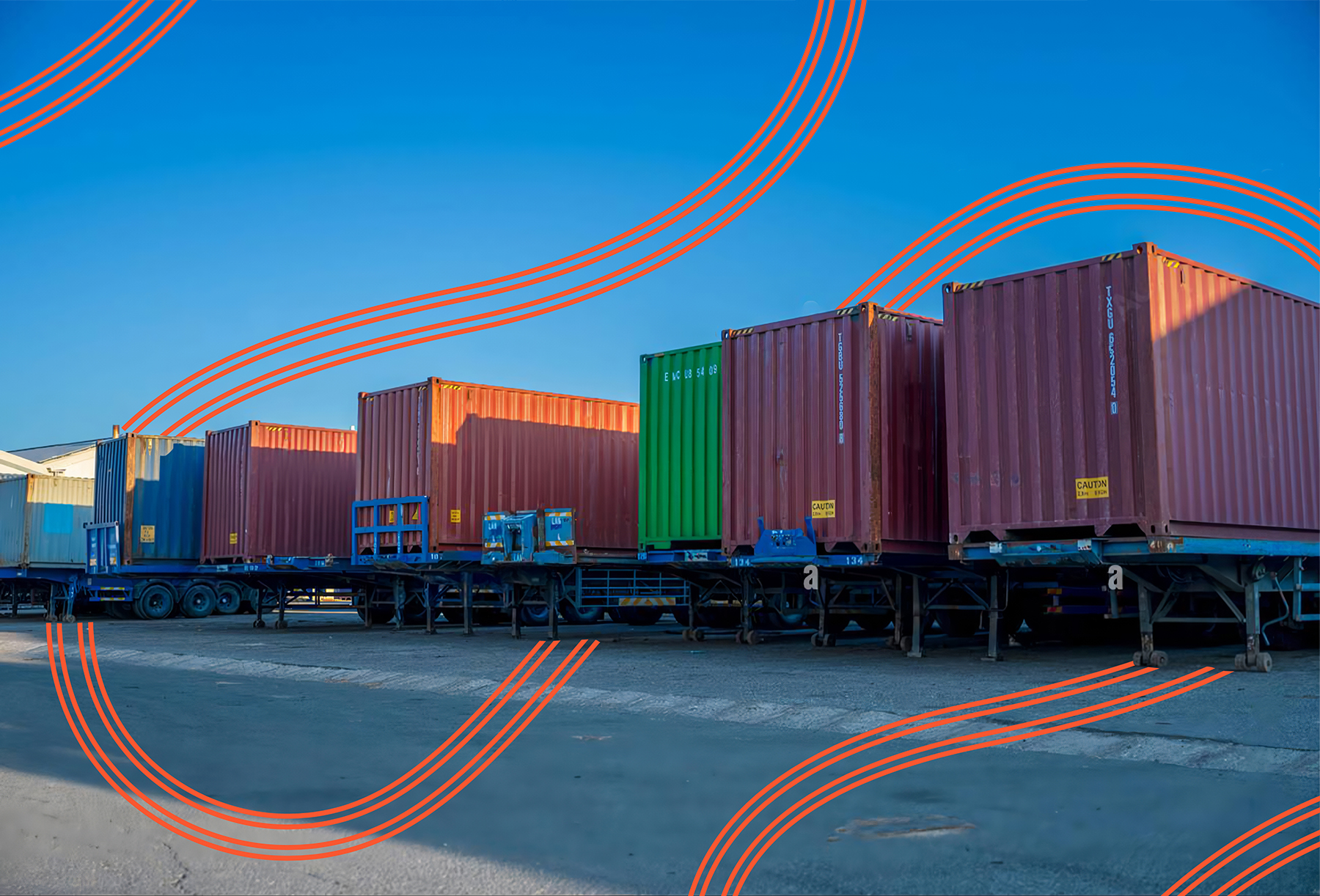
Idle time in intermodal operations can silently drain efficiency and increase operational costs. When container chassis trailers sit unused, they occupy space and resources that could support moving freight. The challenge lies in matching chassis availability with demand, ensuring trailers are accessible when trucks need them while avoiding unnecessary accumulation. Reducing idle time requires strategic planning, real-time monitoring, and collaboration across terminals and trucking partners.
Here are practical strategies to minimize idle time and improve chassis pool utilization:
Optimizing Chassis Allocation
Intermodal chassis pools offer flexibility by allowing fleets to share resources across multiple locations. Efficient allocation begins with knowing where trailers are at any moment. Tracking systems and digital platforms help managers monitor movement, assign trailers to trucks quickly, and anticipate congestion before it affects operations. Using these tools reduces the downtime that often occurs when drivers wait for available chassis. This helps maintain a smooth flow from port to delivery points.
Maintenance and Turnaround Practices
Regular inspection and preventive maintenance keep container chassis trailers ready for use. A trailer that breaks down in the yard or requires unplanned repairs increases idle time significantly. Structured maintenance schedules, combined with quick turnaround procedures at depots, allow chassis to return to circulation faster. Teams that prioritize swift inspections and minor repairs maintain fleet reliability while reducing the likelihood of extended downtime.
Streamlining Pickup and Drop-off Processes
The flow of trailers between ports, rail yards, and distribution centers affects overall efficiency. Bottlenecks in pickup or drop-off procedures create unnecessary idling and can cascade across the supply chain. Clear guidelines for drop zones, automated check-ins, and synchronized schedules with trucking operators help trailers move efficiently through these touchpoints. When handling processes are simple and predictable, fleet utilization improves naturally.
Data-Driven Decision Making
Analyzing patterns of chassis usage reveals opportunities for improvement. Monitoring idle periods, peak demand hours, and location trends allows managers to adjust fleet size, reposition trailers, or modify schedules. Data insights can inform investments in additional trailers at high-traffic terminals or reallocation to reduce congestion. Understanding actual usage rather than relying on assumptions allows operations to become more proactive and adaptable.
Collaboration and Communication
Idle time often stems from poor coordination between port authorities, trucking companies, and logistics teams. Frequent communication ensures that available trailers meet demand in real-time. Chassis pools benefit from shared schedules and transparent updates. That way, trailers move where they are needed most. Establishing clear channels for notifications and updates strengthens cooperation and prevents unnecessary waiting periods.
Smart Chassis Solutions Start With CIE Manufacturing
Maximizing chassis utilization transforms operations, cutting costs and keeping freight moving without delay. With CIE Manufacturing’s container chassis trailer solutions, trailers stay on the road longer and idle less, enhancing efficiency across every stage of the supply chain.
Unlock smoother, more reliable intermodal operations and maximize your fleet’s potential. Visit our website to discover how CIE Manufacturing can elevate your chassis management today.
