

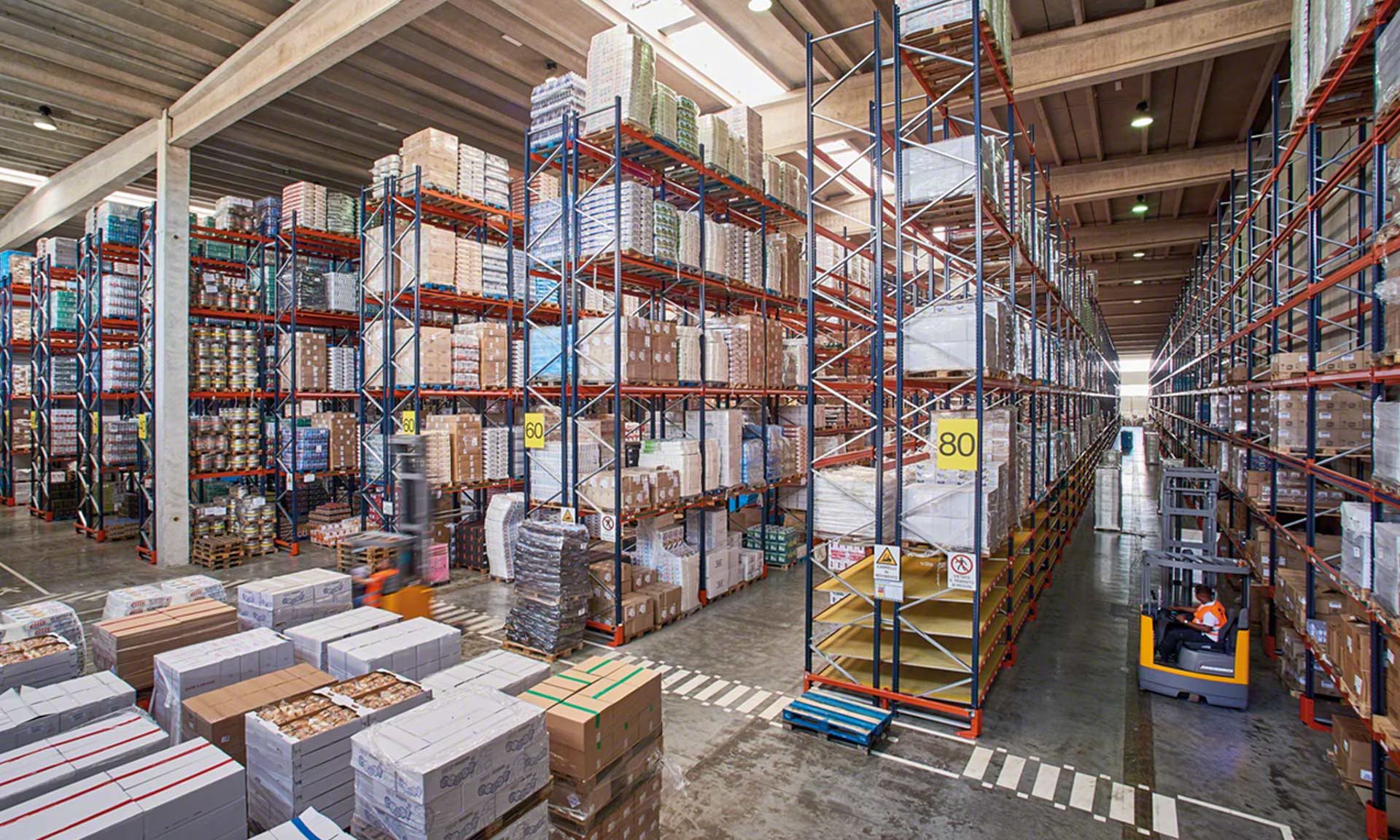
Walk through an industrial warehouse and you will see storage equipment everywhere. Pallets, racks, containers, bins. Some look new while others clearly show years of use.
What becomes obvious after a while is that the material used to build storage equipment matters a lot. In heavy duty environments, durability quickly becomes more important than appearance. That is one reason plastic bulk containers have become common across manufacturing and distribution facilities.
They are not replacing every other storage option. But they solve certain problems that older materials sometimes struggle with.
Comparing metal wood and modern industrial plastics
Each storage material has its own advantages. The choice often depends on what type of materials a facility handles.
But the differences are easier to see when placed side by side.
- Wood containers are inexpensive and widely available but may wear out quickly with repeated handling
- Metal containers offer strong structural support but can add significant weight during transport
- Industrial plastic containers balance strength with lighter overall weight
No single option works perfectly for every warehouse.
Still, plastic containers often fit well in environments where repeated lifting and stacking happen throughout the day.
Containers designed for repeated industrial handling
Handling equipment moves quickly in busy facilities. Forklifts rarely pause gently before lifting loads. Containers get placed down, stacked, and moved again several times during a shift.
Storage systems built for these environments usually include structural reinforcement and stable base designs.
Workers may not notice these design features directly. They simply notice that the container holds its shape after months or years of use.
And sometimes that reliability matters more than anything else.
Lightweight structure with high load carrying capability
One interesting advantage of industrial plastic containers is their balance between weight and strength.
The container itself remains relatively light compared with metal alternatives, but it can still support heavy loads inside.
This combination helps in two ways:
- Forklifts handle containers more easily during transport
- Overall shipping weight stays lower when moving large quantities of materials
For warehouses handling frequent shipments, these details gradually influence operating efficiency.
Long service life reducing replacement frequency
Storage equipment eventually wears out, but durable containers can remain in service for long periods.
Facilities that handle thousands of loads each year benefit from equipment that does not require frequent replacement.
Discussions around plastic bulk containers often appear when companies review long term storage strategies. Managers start looking beyond immediate costs and consider how equipment performs after years of use.
And when containers keep working reliably without constant replacement, warehouse operations tend to feel more stable overall.
Not perfect. Warehouses rarely are. But stable enough that teams can focus on moving inventory instead of fixing storage problems.
