

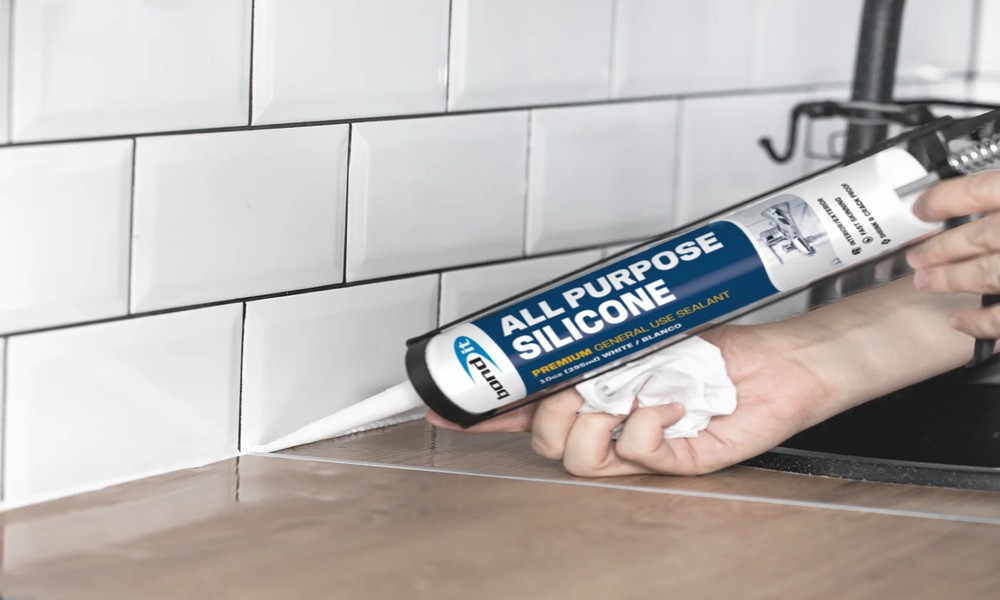
Reliable protection helps surfaces stay strong for a longer time. Silicone sealant helps close small openings and reduces the chance of water entering inside. When sealing is done properly, structures remain steady and avoid slow damage caused by moisture.
A dependable sealing option adds strength and lowers the need for frequent fixes. Selecting a suitable material gives steady results on different surfaces and in varied conditions. This method supports firm bonding and flexible coverage for lasting protection using all purpose silicone.
Surface Preparation Essentials
A surface that is free from moisture allows better grip during application. Any dirt oil or small debris can weaken the hold of the layer. Preparing the base properly helps the material settle evenly across the area. A well finished surface also supports stronger performance when conditions change. Preparing the base correctly supports better sealing results and avoids early failure.
Application Methods And Tips
Correct application improves overall effectiveness. Even spreading ensures no gaps are left behind. Controlled usage helps avoid excess material buildup. Smooth finishing supports better appearance and function. Following proper steps increases the life of the seal.
• Clean surfaces thoroughly before applying any sealing material for better grip
• Apply steady pressure while spreading to maintain uniform thickness across areas
• Use proper tools to shape edges neatly for a clean finish
• Allow enough time for curing before exposing surfaces to moisture
• Avoid over-application to prevent uneven drying and weak bonding
Flexible Sealing Performance
Flexibility allows the seal to adjust with slight surface movement. This reduces cracking during expansion or contraction. A balanced composition ensures strong bonding without becoming rigid. It maintains coverage even when surfaces shift slightly. This makes it suitable for areas exposed to temperature variation.
Gap Filling Precision Methods
Accurate filling ensures no empty spaces remain between joints. Proper placement improves sealing consistency across edges. It supports even coverage and prevents weak sections from forming later. Careful handling helps achieve a smooth and uniform finish. Precision work increases effectiveness in both small and wide gaps.
Adhesion Strength And Stability
Strong bonding keeps the material attached to different surfaces firmly. It reduces the chances of lifting or separation over time. Stable adhesion supports consistent sealing even under stress. It performs well across varied materials and conditions. Using all purpose silicone improves reliability for multiple surface types.
Environmental Adaptability Features
The sealing material performs well under changing surroundings. It maintains structure when exposed to temperature variation. Resistance to external factors helps protect surfaces over time. Consistent performance ensures fewer failures under pressure. Adaptability supports use across different indoor and outdoor conditions.
• Handles temperature changes without losing bonding strength or flexibility
• Maintains structure when exposed to varying humidity levels over time
• Resists minor surface shifts caused by environmental pressure changes
• Performs consistently across different surfaces without weakening quickly
• Supports long-term use under both enclosed and open conditions
The content shows that better sealing depends on correct preparation, careful use, and regular care. Choosing a reliable material helps protect surfaces from water damage while maintaining strength over time. Consistent application methods improve bonding and reduce repair efforts. Flexible coverage supports durability under changing conditions. With proper steps and timely checks, surfaces remain protected longer and perform well under stress.
FAQs
What makes sealing material suitable for multiple surface types and conditions?
Strong bonding, flexibility, and adaptability help maintain performance across varied surfaces.
Why is proper surface preparation important before applying the sealing material?
Clean surfaces ensure better adhesion and prevent early failure or weak bonding.
Can sealing material handle temperature changes without losing effectiveness over time?
Yes, flexible composition supports stability under varying temperatures and surface movement.
