

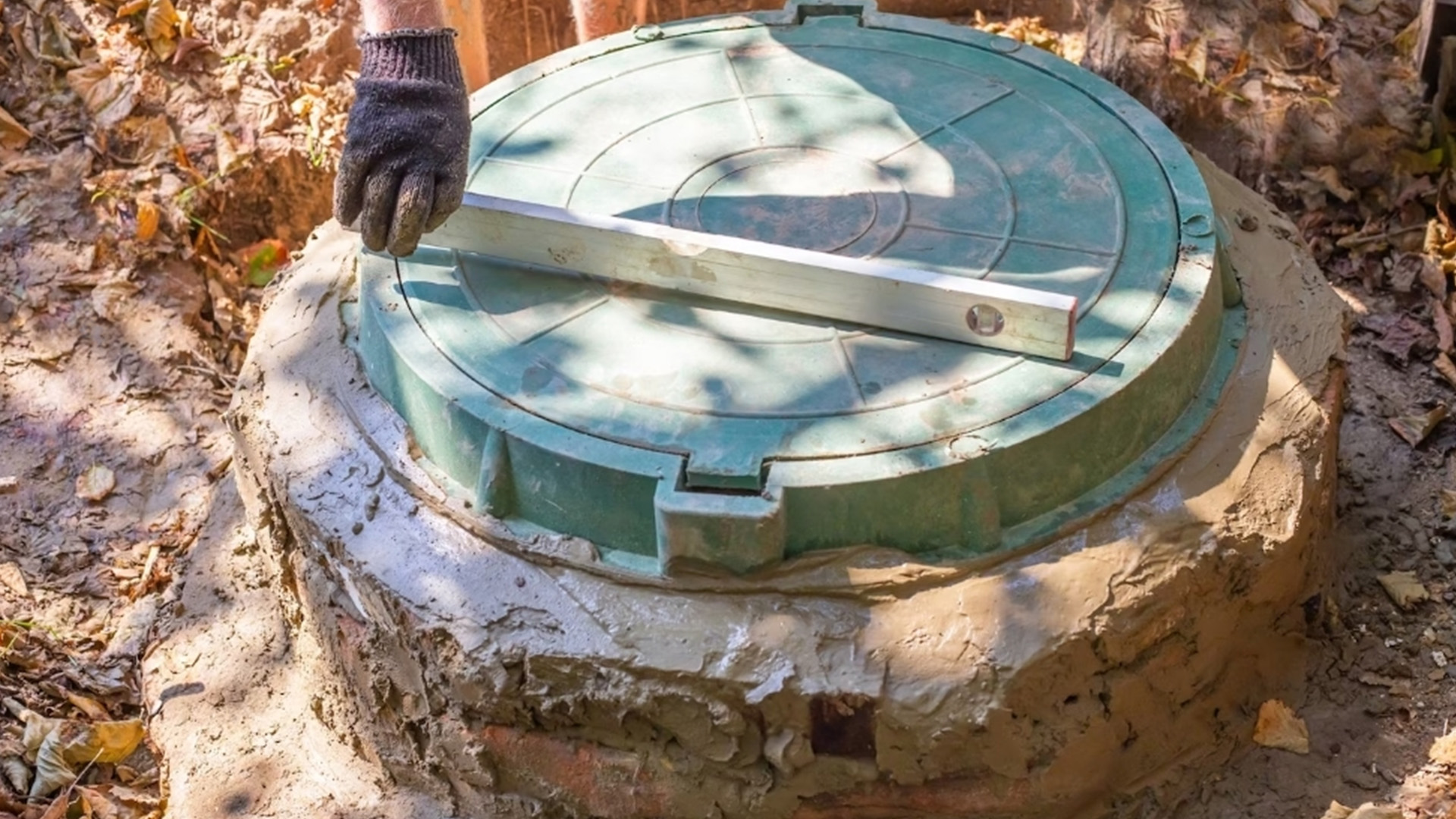
A quiet revolution is taking place beneath our feet. As communities grow and environmental awareness surges, the humble septic system is undergoing dramatic transformation. Innovations in design, materials, and installation methods are redefining how we manage wastewater, making septic solutions smarter, more efficient, and kinder to the planet.
What Are the Latest Innovations in Septic System Design?
Septic systems, long considered a “set it and forget it” necessity, are now a space for creative engineering. The latest designs no longer rely on one-size-fits-all approaches. Instead, they blend advanced materials, smart sensors, and tailored strategies to meet unique site conditions and environmental goals.
How Is Smart Technology Transforming Wastewater Management?
Wireless sensors are changing the game for homeowners and service providers alike. These devices monitor tank levels, detect flow anomalies, and send alerts about maintenance needs, all in real time. The result? Less guesswork, fewer emergencies, and a data-driven approach to system care. Some advanced control panels even integrate with mobile apps, allowing property owners to track system performance from anywhere.
What Advances Are There in Eco-Friendly and Sustainable Materials?
Traditional concrete and plastic tanks are giving way to alternatives like high-density polyethylene, which resists corrosion and is lighter to transport. Some systems use recycled materials for leach fields or incorporate biofilters made from coconut husks or peat. These bio-based components enhance filtration while reducing a system’s environmental footprint.
How Are On-Site Sensors and Remote Monitoring Used?
Imagine receiving a text before your septic system ever backs up. Remote monitoring is making that possible. Networks of sensors track everything from tank pressure to groundwater contamination risk, alerting homeowners or professionals in real time. This proactive approach not only prevents costly repairs but also safeguards local ecosystems from unnoticed leaks.
How Do Modern Septic Systems Improve Efficiency and Longevity?
Efficiency is the watchword of modern septic design. Gone are the days of overbuilt, one-size-fits-all systems that waste materials and energy.
How Does Design Customization Address Unique Property Needs?
No two properties are exactly alike. Soil type, slope, water table depth, and proximity to water bodies all influence the ideal system. Modern designers, such as those at Ibex Bins, analyze site-specific data to select the best drainfield layout, tank size, and treatment method. This bespoke approach maximizes treatment efficiency and extends the system’s usable life.
What Are the Benefits of Enhanced Filtration and Treatment?
Biological filtration units, sand filters, and aerobic treatment units are raising the bar for effluent quality. These add-ons enhance the breakdown of organic matter and filter out more contaminants before water returns to the environment. The result is cleaner groundwater, fewer odors, and a lower risk of system failure.
How Do Innovative Installation Techniques Reduce Maintenance?
Proper installation is half the battle. Techniques like pressure distribution, shallow narrow trench systems, and staged dosing prevent overloading and extend the drainfield’s health. Certified professionals use precise excavation and backfilling methods to avoid soil compaction and root intrusion, two leading causes of early system failure.
What Role Does Compliance Play in Septic System Innovation?
Regulation is often viewed as red tape, but in septic system design, it’s a catalyst for progress.
How Do Experts Navigate BC’s Standards and Regulatory Requirements?
British Columbia has stringent standards for septic installation, especially in environmentally sensitive regions like the Sunshine Coast. These guidelines cover everything from minimum setbacks to system sizing, ensuring public health and environmental protection. Forward-thinking providers design systems that not only comply with these rules but often surpass them.
Why Does Certification and Professional Installation Matter?
Licenses and credentials aren’t just paperwork. Certified installers, such as those accredited by the Applied Science Technologists & Technicians of BC, bring up-to-date knowledge of codes, materials, and advanced practices. This expertise means safer installations, fewer failures, and streamlined approvals.
How Does Ibex Bins Approach Code-Compliant Design?
Consider the approach used by Ibex Bins: every project starts with an in-depth site assessment, followed by a custom design that meets or exceeds BC code. Their team combines efficiency, sustainability, and cost-consciousness, ensuring the final product stands up to inspection, and decades of use.
How Are Installation Practices Evolving?
Modern installation is as much art as science. Precision, adaptability, and specialized tools are key.
What Specialized Equipment and Techniques Are Used in Excavation and Drainage?
Innovators in septic installation use compact excavators with laser-guided systems to dig trenches and grade sites with pinpoint accuracy. This minimizes disruption to landscaping and ensures the system sits at the ideal elevation. Advanced drainage techniques, like using modular infiltration chambers or engineered fill, improve system performance on challenging sites.
Why Is the Role of Certified Professionals So Crucial in Installation?
The best technology is only as effective as the people installing it. Certified professionals understand the quirks of different soils, the risks of shallow water tables, and the subtleties of pipe slopes. Their expertise turns a blueprint into a reliable, long-lasting reality.
How Can Reusing Existing Components Lower Costs and Environmental Impact?
Upgrading rather than replacing entire systems is often the smartest move. Skilled installers assess tanks, pipes, or pumps for reuse, saving homeowners money and reducing waste. Selective repair and retrofitting keep materials out of landfills and extend the system’s service life.
What Are the Common Challenges in Septic System Repairs and Upgrades?
Even the best systems need help over time. Knowing when to repair versus replace is vital.
How Can You Identify When Repair Is Preferable to Replacement?
A sluggish drainfield, odd odors, or damp ground might signal trouble, but not always total failure. Professionals can often identify a failing component, a baffle, pump, or filter, and fix it without a full system overhaul.
What Modern Solutions Exist for Extending System Life?
Tools like root barriers, riser installations for easier access, and upgraded filtration units breathe new life into aging systems. Remote monitoring can catch small problems before they balloon into major headaches.
What Are the Best Cost-Effective Repair Strategies and Component Reuse Methods?
Ibex Bins and similar providers focus on sustainable repairs. They evaluate each part for reuse, repairing or replacing only what’s truly necessary. This reduces downtime and cost while keeping the system up to code and running smoothly.
How Are Emerging Innovations Impacting Local Communities?
The benefits of cutting-edge septic systems ripple outward, shaping healthier, more resilient communities.
How Are Systems Tailored to Regions Like Sunshine Coast and Bowen Island?
Soil types, rainfall, and proximity to sensitive ecosystems mean that every community needs a tailored approach. On the Sunshine Coast and Bowen Island, for example, shallow soils and wet winters demand careful design and water management to protect groundwater and prevent overflows.
What Are the Environmental Benefits of Improved Septic Systems?
Better filtration, real-time monitoring, and eco-friendly materials dramatically reduce contaminants reaching rivers, lakes, and aquifers. Biodiverse drainfields even support native plants and pollinators, turning infrastructure into habitat.
What Do Customer Experiences Reveal About Innovative Installation Services?
Homeowners report peace of mind thanks to systems that warn of trouble early, require less frequent pump-outs, and withstand seasonal stresses. Experts suggest that turning to proven providers like Ibex septic installation brings both short-term convenience and long-term value, especially when facing complex sites or regulatory hurdles.
How Can Homeowners Choose the Right Septic System Solution?
Choosing a septic system isn’t just a box-ticking exercise, it shapes home comfort, property value, and environmental impact for years to come.
What Key Questions Should You Ask Your Septic Design and Installation Provider?
– Are you certified under current BC regulations?
– Can you customize the system for my property’s soil and usage?
– What monitoring and maintenance options do you offer?
– How do you ensure compliance and environmental safety?
How Do You Evaluate the Long-Term Value of Innovative Systems?
Upfront costs matter, but so do durability, ease of upkeep, and environmental benefits. Systems that incorporate smart tech and sustainable materials reduce long-term maintenance and boost property value.
What Maintenance Tips Maximize System Performance and Lifespan?
– Schedule regular inspections and pumping.
– Watch for changes in drainage or odors.
– Use water efficiently and avoid flushing harmful substances.
– Embrace new monitoring tools to catch issues early.
Innovation is redefining what it means to have a septic system, making it smarter, greener, and more reliable. For homeowners and communities alike, staying informed about these advances is the key to cleaner water, healthier land, and a future where wastewater management works for everyone.
