

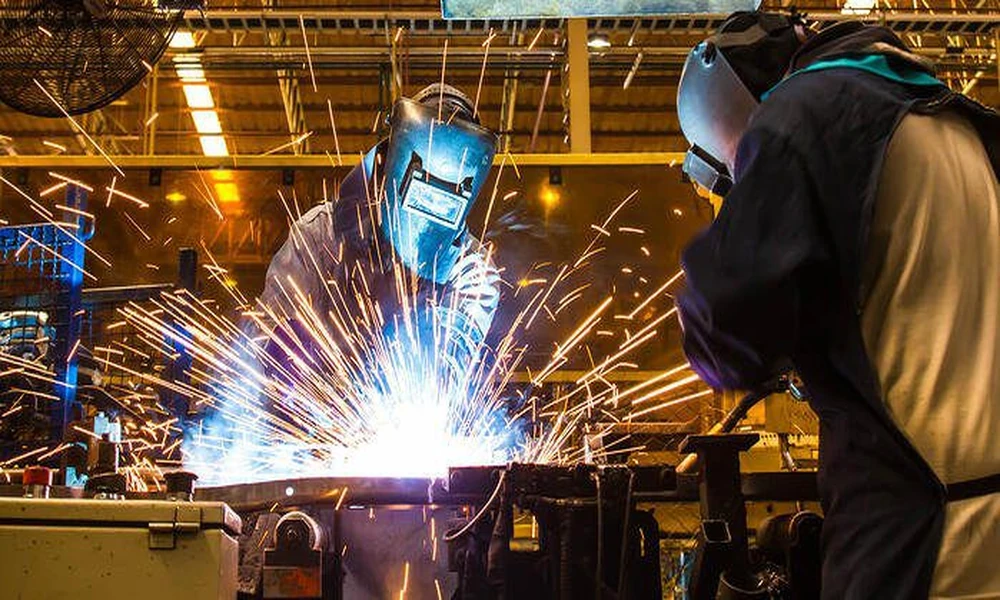
In the realm of welding, achieving professional status is no small feat. It requires rigorous assessments to ensure safety and compliance across various industrial sectors. With over 30 years of experience, experts provide essential guidance for maintaining high standards of workmanship.
Every individual in this field must undergo formal evaluation to demonstrate their technical abilities, especially when working on critical infrastructure or high-pressure equipment. The industry heavily relies on robust protocols to guarantee that every practitioner meets the stringent requirements set by modern engineering projects.
Maintaining excellence in these demanding industries is only possible when companies prioritise the verification of skills through accredited testing bodies. This commitment not only safeguards safety but also enhances the overall quality of work.
Key Takeaways
- Professional status requires rigorous assessments for safety and compliance.
- Over 30 years of experience shapes expert guidance in the industry.
- Formal evaluations are crucial for demonstrating technical abilities.
- Robust protocols ensure practitioners meet modern engineering standards.
- Verification of skills through accredited bodies is essential for excellence.
Introduction to Welder Qualification Testing and Certification
In the competitive world of welding, mastering the craft demands significant effort. The process of verifying a person’s skills is crucial for ensuring the quality of the welded product. Uniform rules are applied to ensure that standard test pieces are used during assessments.
This formal process involves a systematic evaluation of an individual’s ability to manipulate electrodes or torches, resulting in high-quality joints. By implementing a standardised testing regime, the welding industry ensures that all personnel possess the necessary skills to perform complex fabrication tasks safely.
Independent certification serves as a clear benchmark for quality. It allows companies to demonstrate their commitment to excellence within their respective sectors. Furthermore, a structured qualification path mitigates risks by ensuring that every practitioner is fully competent before starting work on live projects.
Consistent testing protocols are essential for maintaining the integrity of structures and pressure vessels used throughout the United Kingdom and beyond.
Preparation and Best Practices for Certification
The journey towards professional recognition in welding is both demanding and rewarding. To ensure success, it is essential to develop a thorough testing strategy. Partnering with a reputable body like NWQS can significantly enhance the preparation process.
When gearing up for certification, consulting with NWQS Ltd provides invaluable insights tailored to specific fabrication needs. Their expert team is ready to assist with any questions regarding the application process. As one satisfied client noted,
“The guidance from NWQS was instrumental in our preparation.”
Utilising professional certification services helps navigate the complexities of modern standards. This ensures that every practitioner is equipped for the rigours of the assessments. Furthermore, these experts encourage best practices and proactive quality management throughout the entire project lifecycle.
For detailed guidance, clients can contact the team at 01384 482880. With their support, achieving excellence in welding becomes a more attainable goal.
Detailed Guide to Welder Qualification Testing and Certification
The path to achieving expertise in welding involves a structured approach. This begins with the development of a Welding Procedure Specification (WPS) or Procedure Qualification Record (PQR). These documents outline essential variables, such as the welding process and filler material group.
During the assessment, a qualified inspector monitors the individual’s work to ensure compliance with safety and specified procedures. After completing the test weld, the joint undergoes thorough Non-Destructive Testing (NDT) methods, including visual inspection and other techniques like MT, PT, RT, or UT. This rigorous process verifies the quality of the weld before a certificate is issued.
Adhering to international standards is crucial. It ensures that the qualifications remain valid across various production environments and material types. The final certificate clearly defines the welder’s ability, including parameters such as gas backing and material thickness.
Technical Standards and Regulatory Compliance
Understanding the standards that govern the welding industry is essential for maintaining quality. Compliance with regulations ensures that safety is prioritised in all welding processes. Notably, BS EN ISO 9606-1 and ASME Section IX outline the requirements for personnel involved in welding.
Accredited bodies, such as NWQS, play a critical role in verifying that all testing services meet strict requirements. This includes adherence to ISO/IEC 17020, which guarantees that evaluations are performed by competent third-party inspectors. Companies managing pressure equipment projects must ensure their procedure qualification records are validated by these bodies.
The team at NWQS Ltd provides comprehensive certification services, ensuring that every qualification certificate is issued in accordance with the latest national standards. By maintaining rigorous NDT and mechanical testing processes, they ensure that all materials and equipment meet necessary safety and quality benchmarks.
| Standard | Description | Applicable Materials |
|---|---|---|
| BS EN ISO 9606-1 | Welder qualification for steel | Steel |
| ASME Section IX | Welding and brazing personnel requirements | Various metals |
| ISO/IEC 17020 | Requirements for inspection bodies | All types of equipment |
Industry Insights and Service Excellence
The welding industry thrives on innovation and collaboration, driving improvements in quality and efficiency. Recent case studies illustrate how partnering with experts significantly enhances production outcomes. By focusing on service excellence, companies can navigate the complexities of modern certification processes.
Innovations in welding techniques, such as mechanised and fully automated systems, require a fresh approach to procedure qualifications. This ensures consistent results across diverse materials. Successful certification often stems from a collaborative effort, where inspectors and practitioners work together to uphold the highest industry standards.
Continuous investment in new technologies allows manufacturers to expand the boundaries of what’s achievable while adhering to stringent safety protocols. The role of expert engineers is crucial, providing on-site witnessing for fusion welding and brazing processes across the UK.
Conclusion
The pursuit of professional excellence in welding is a journey that demands dedication and skill. Achieving formal recognition is crucial for individuals aiming to showcase their technical abilities and commitment to industry standards.
By adhering to structured processes and international codes, companies can guarantee the safety and quality of their welded products. Partnering with accredited inspection bodies provides essential oversight, ensuring compliance with complex regulations.
Regular updates to qualifications keep personnel proficient in the latest techniques and material applications. Ultimately, a robust strategy serves as the foundation for long-term success and reliability in the competitive fabrication sector.
