

Understanding Flood Damage Restoration in Dallas: A Step-by-Step Homeowner Guide
Flood damage is one of the most stressful events that a homeowner can go through. Heavy rains, storms, and unknown plumbing catastrophes all return water to your North Dallas home quickly. When that occurs, it is critical to act quickly. Flood damage restoration in Dallas is the cleaning, drying, repairing, and restoring your home after sustaining water damage. This blog will take you through what happens in simple terms, so you know what to expect and what to do.
Floodwater can wreak havoc on your house in numerous ways. It can erode walls, damage floors, ruin furniture, and even promote mold growth. Mold growth can begin within 24-48 hours of exposure to water. This can hurt your health and make your home unsafe.
Flood damage can also weaken the structure of your house when it is not addressed properly. We suggest hiring professional flood clean-up services to restore your home to a safe and livable condition.
Step 1: Ensure Safety First
The immediate priority following flood damage is to ensure the safety of all individuals involved. Electricity and water can be a lethal combination. If feasible, cut off power in impacted locations. If there are electrical appliances nearby, avoid walking in standing water.
Floodwater could also be mixed with dirt, bacteria, or dangerous chemicals. You should try not to touch floodwater. If entering the area, wear protective equipment like gloves and boots.
If the damage is extensive, it’s best to wait for professionals who have the necessary gear and must be safe.
Step 2: Block the Water Source
You need to cease the water from entering your home before proper flood damage restoration in Dallas. Water may come from heavy rain, roof leaks, broken pipes, or drainage problems.
If it appears the source is a plumbing problem, shut off the main supply of water. You might need to make temporary repairs if rainwater is coming through the roof or windows, for example, to help prevent more water from entering. By stopping the source, you avoid more damage and make restoration easier.
Step 3: Water Removal and Extraction
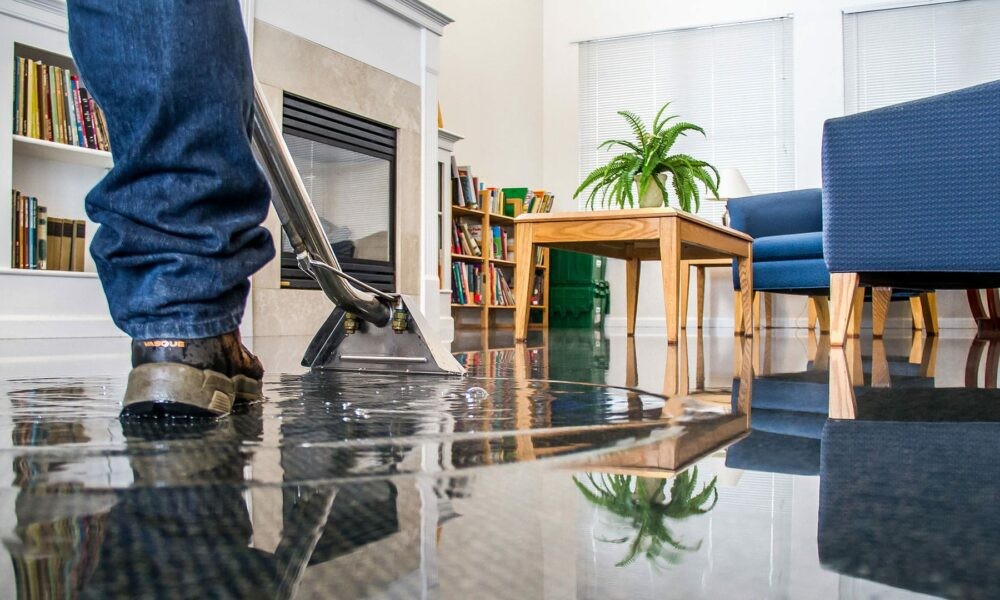
After the water source is dealt with, it is now time to get rid of the standing water. They often use powerful pumps and vacuums to rapidly extract water. The quicker the water is adequately sufficed, the lesser damage it creates.
Water can track into carpets, flooring, walls, and furniture. Moisture may still exist under materials even when the surface appears dry. Water extraction is important to prevent mold growth and structural damage.
Step 4: Drying and Dehumidification
The process then moves to drying out the affected areas after water removal. This process utilizes specialized equipment, including air movers and dehumidifiers. These machines treat the walls, floors, and air to remove moisture.
Proper drying is critical because residual moisture can promote mold growth, unpleasant smells, and permanent damage.
Step 5: Cleaning and Sanitizing
Floodwater tends to crawl dirt, bacteria, and contaminants into your home. Cleaning and sanitation make your home safe again.
Flood clean up services include wiping down contaminated surfaces with special solutions. Carpets, furniture, and other personal items are cleaned when possible. And if it cannot be safely restored, some already damaged items may need to be removed.
Step 6: Removal and Prevention of Mold
Mold after flood damage is a frequent occurrence, particularly in hot and humid regions such as Dallas. Mold forms quickly in damp conditions and can spread throughout your home.
Restoration professionals check for mold and remove it carefully using proper techniques. They treat future mold growth as well.
Step 7: Repair and Restoration
The last stage involves rebuilding and restoring your home. Flood damage restoration work in Dallas could range from fixing the drywall to replacing flooring and repairing ceilings, or impacting strongly affected parts.
Some homes may require minor repair; others, major reconstruction. The objective is to return your home, at a minimum, to its pre-damage condition.
Why Professional Flood Damage Restoration Is Recommended
While small water spills can be managed at the house level, flood damage in many cases requires professional assistance. Special equipment, techniques and knowledge to perform water damage restoration safely.
They can find hidden moisture, stop mold growth, and do it all safely. Professional restoration also accelerates the recovery process and minimizes long-term harm.
Flood Protection in Dallas: Tips for Homeowners
Need exceptional flood clean-up services in Dallas? Trust Fires & Water Restoration Services! Get in touch with us today to schedule a consultation.
